May 18, 2023
Design & Accessibility
The importance of accessibility in web design
What better day than Global Accessibility Awareness Day to look back at the work Haywyre has been doing with regard to accessibility in recent months.


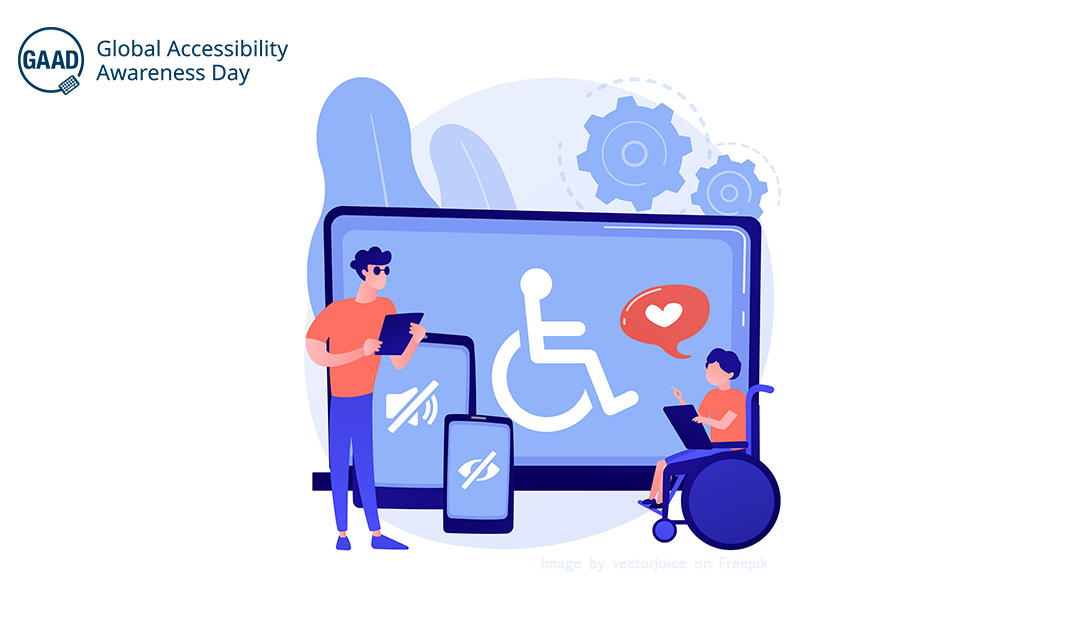
Today is the 12th Global Accessibility Awareness Day (GAAD)! Consequently, it is the perfect opportunity to look at website development and digital inclusion for people with disabilities. Everyone should be able to access and enjoy the website you've put all your hard work into.
Accessibility has been a focal point in our work for the past few months. We have dedicated many hours into going back and checking the accessibility of several websites, performing numerous accessibility journeys to see how different people might experience the website. You might not realise what a physical impairment like blindness or cognitive disabilities can have on someone experiencing your site. As a developer, you build your website with clean coding, but often it seems to be the smallest things which are stopping your site from being Web Content Accessibility Guidelines (WCAG) compliant. That gorgeous colour palette you chose? Does it meet the minimum contrast ratio? Or that banner than you spent so long designing - how might a visually impaired user experience that if you forgot to add alt text to the image.
It is important to understand that there are a variety of ways in which disabled people access digital products. This includes using a screen reader; tabbing through webpages with a keyboard rather than using a mouse; requiring contrast mode, especially on highly decorative pages; and using captions for videos. It is important that you design based around inclusivity, and ensure that all users, no matter the disability, are able to access your site.
As developers it is all to easy to get lost in the creation-side of web development, without thinking about user experience. This plugin for Google Chrome allows you to experience your website with a range of simulated disabilities. We would recommend taking the time to go through your website (or get us to do it for you!) on an accessibility journey, and see how easily you can navigate it.
Many companies seem to be using the cost of updating their websites as an excuse for not implementing the changes they need to make their website accessible. Here are some statistics on how many people are disabled in the UK:
This is a huge percentage of your potential clients who are going to require an accessible website. It is estimated that the online market for people with access needs it about £24.8 billion per year in the UK, and having an inaccessible website immediately alienates you from this market.
If you are not sure how to make your website accessible, there are a number of resources available to help you. The Web Accessibility Initiative (WAI) is a great place to start. Some of the most important things to include are well-labeled images, keyboard navigation, contrasting colours, and timed content with captions or transcripts.
By following these tips, you can create a website that is accessible to everyone. Or alternatively, contact Haywyre today to see how we can help you!